
From 18-24 August 2026, Comendador Anthony Bailey, Hon Consul-General of His Majesty The King of Tonga to the Portuguese Republic, was invited by Luís Nobre, Mayor of Viana do Castelo, to participate in one of Portugal’s most extraordinary expressions of faith, culture and popular tradition — the Romaria de Nossa Senhora d’Agonia.
Viana do Castelo is the historic capital of Portugal’s Alto Minho region, situated at the mouth of the River Lima where it meets the Atlantic Ocean. The municipality covers approximately 319 square kilometres and has a population of around 93,000. Long shaped by its relationship with the sea, Viana is renowned for its maritime heritage, distinctive architecture, traditional embroidery and goldwork, folklore and the celebrated Romaria de Nossa Senhora d’Agonia.
Held from 15 to 23 August 2026, the Romaria brings together religious devotion, traditional costume, music, dance, folklore, craftsmanship and the maritime traditions of the people of the Alto Minho. Devotion to Nossa Senhora d’Agonia in Viana dates from 1751 and, over the centuries, the celebrations developed into one of Portugal’s great popular pilgrimages and cultural festivals.
Such is the importance of the Romaria that each year it transforms Viana do Castelo from a city of comparatively modest size into a major national gathering, attracting visitors from across Portugal, the Portuguese diaspora and further afield. The 2026 celebrations were expected to attract more than one million visitors over nine days — more than ten times the population of the municipality — while some 15,000 participants, collaborators and volunteers were directly involved in bringing the festivities to life.
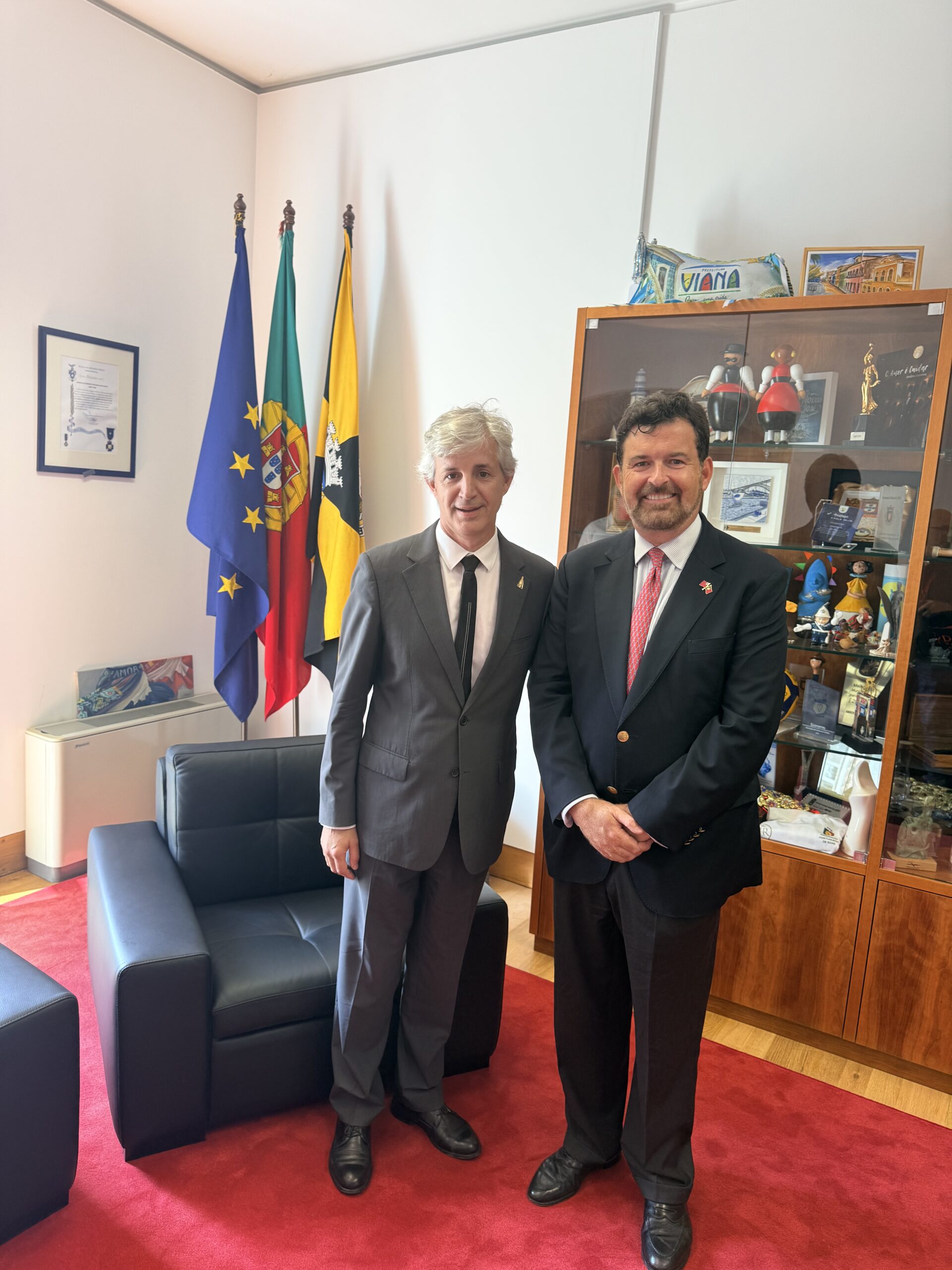
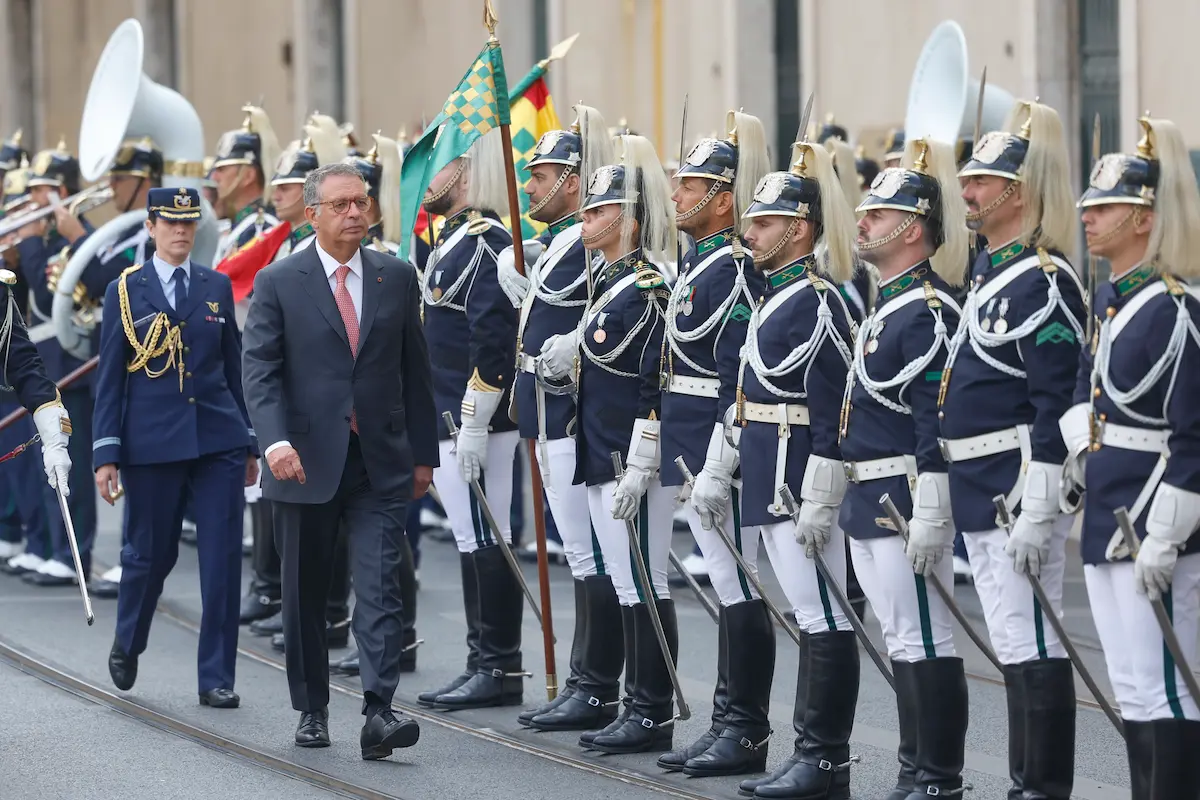
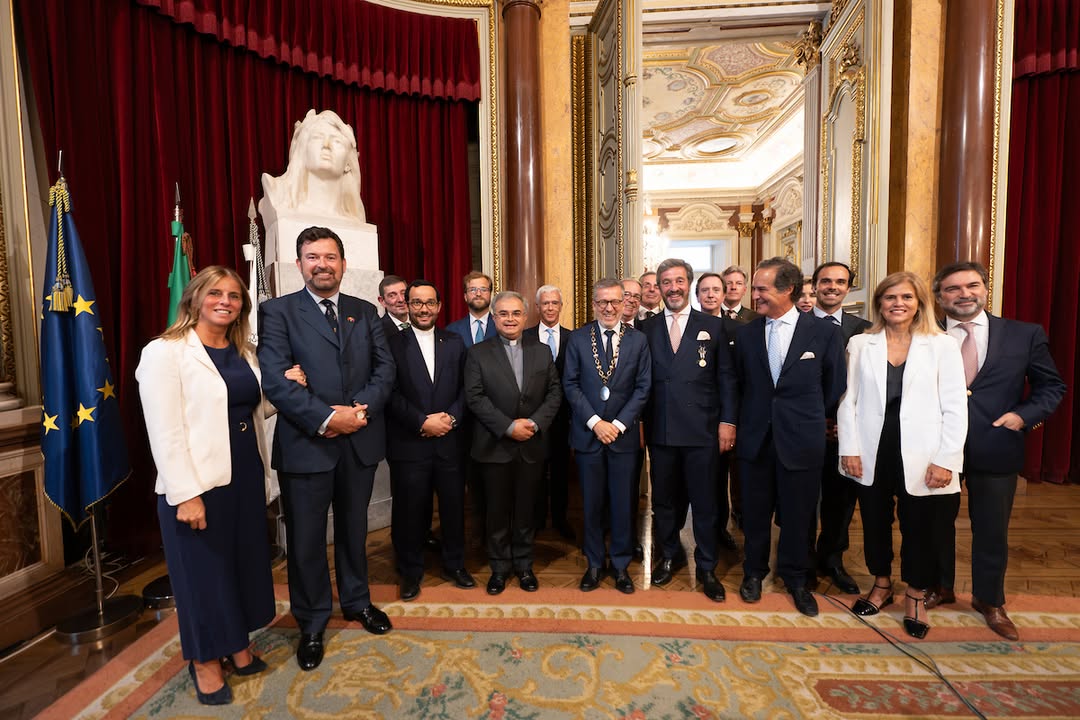
During his visit, the Consul-General was formally received at the Municipal Council by Mayor Luís Nobre. Mayor Nobre and the Consul-General subsequently held an informal one-to-one meeting during which they discussed ways and means of bringing Viana do Castelo and Nukuʻalofa closer together, including the possibility of developing cultural exchanges and other forms of cooperation between the two cities.
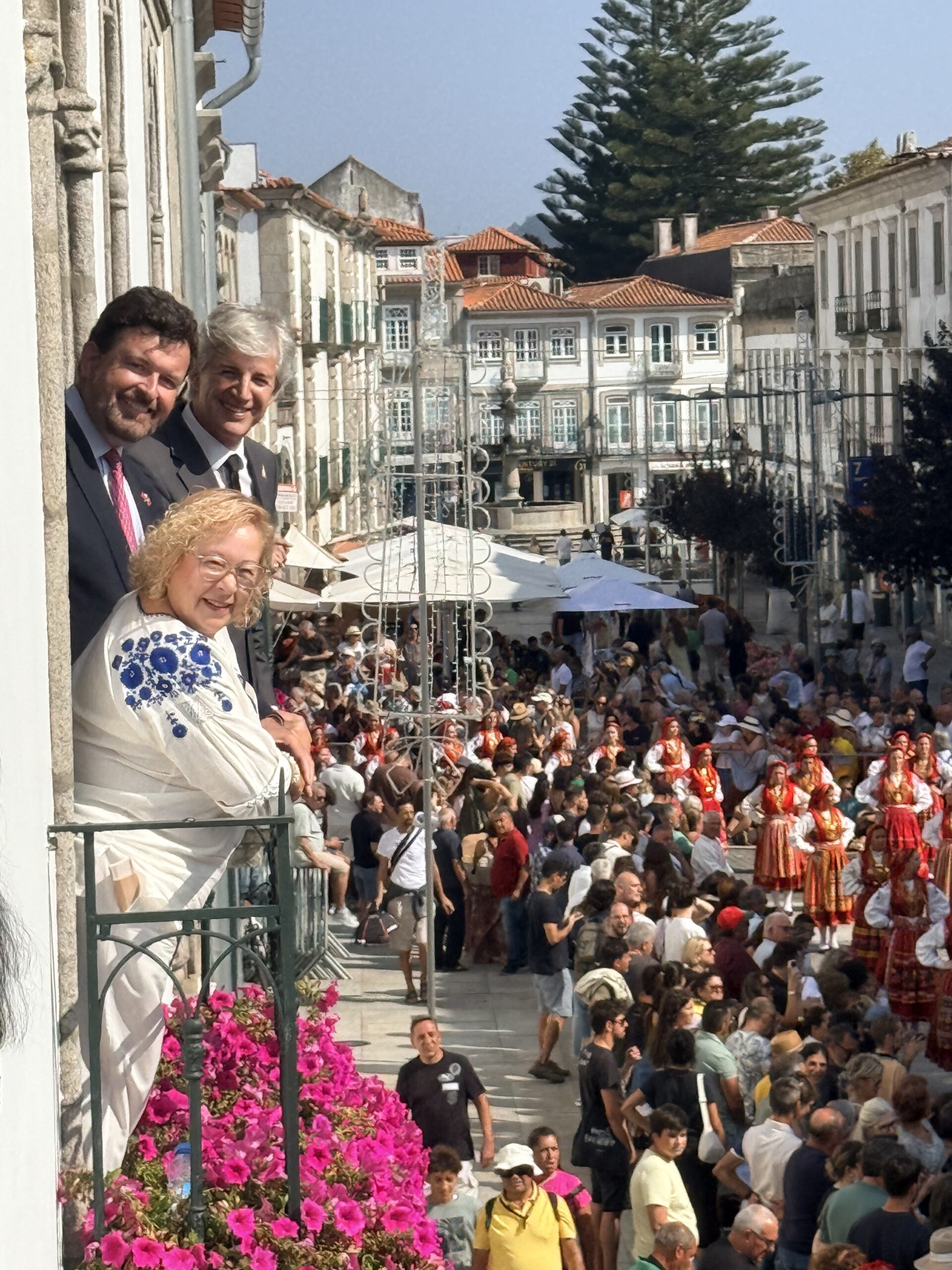
At the invitation of Mayor Nobre, the Consul-General experienced the celebrations from the heart of the city. Among the highlights was the celebrated Desfile da Mordomia on 19 August 2026, when the streets filled with women wearing the magnificent traditional costumes of Viana and the distinctive gold jewellery which forms such an important part of the cultural identity of the region.
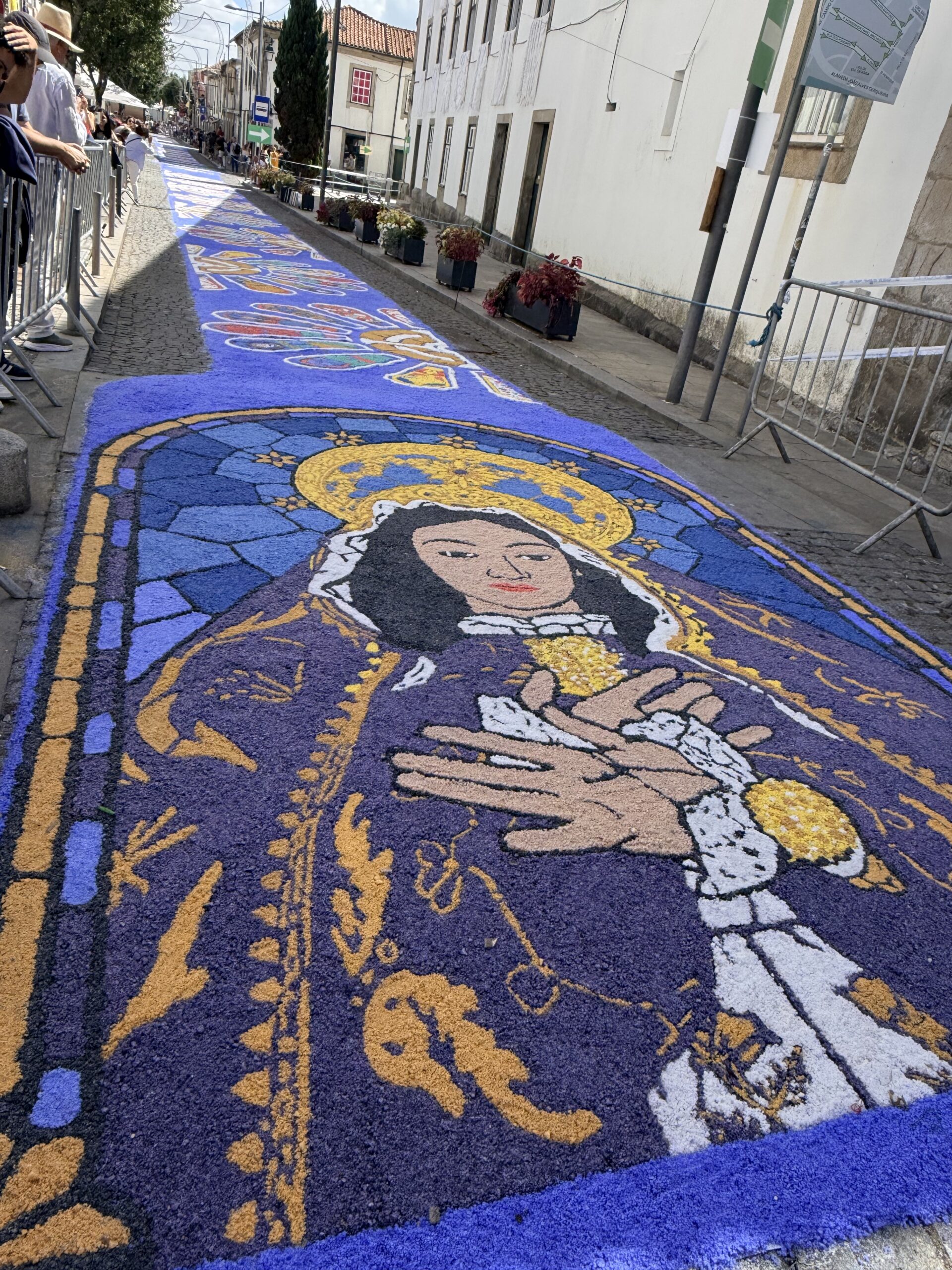
Equally remarkable was the Noite dos Tapetes. During the night of 19 to 20 August 2026, the streets of the historic Ribeira were transformed as local residents and volunteers worked through the night creating elaborate carpets from brightly coloured salt, flower petals and other materials. Extraordinary religious images, traditional motifs, intricate patterns and decorative scenes covered the streets, creating temporary works of popular art in preparation for the following day’s solemn celebrations and the passage of Nossa Senhora d’Agonia.
More than 30 tonnes of coloured salt were used across six streets for the 2026 carpets, illustrating the extraordinary scale of a tradition created largely by hand and destined to exist for only a brief period before the religious procession passes over it.
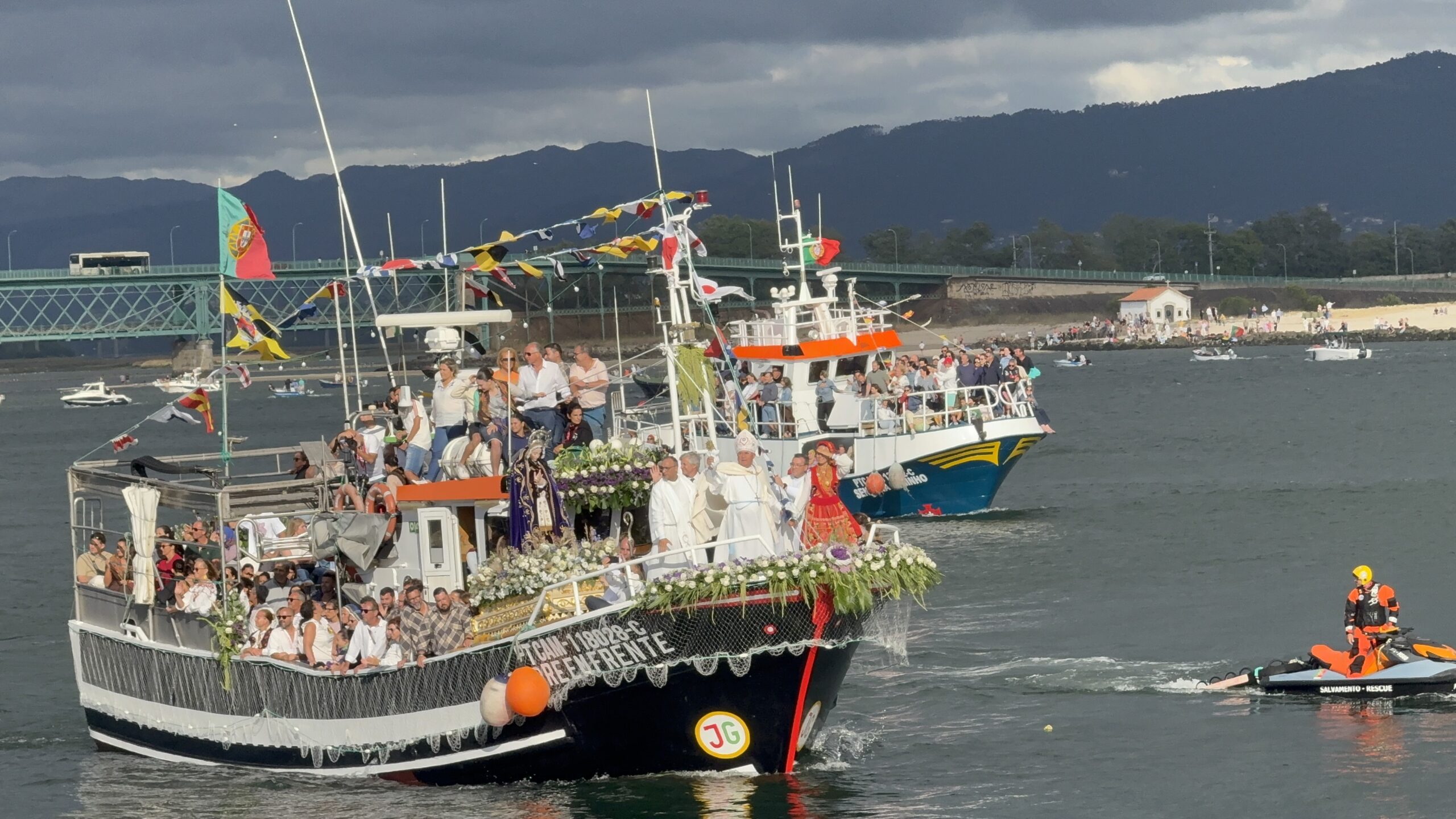
The following day brought the solemn Eucharistic celebration and the famous Procissão ao Mar, reflecting the profound relationship between devotion to Nossa Senhora d’Agonia, Viana’s historic fishing community and the sea.
The 2026 Romaria was celebrated under the evocative concept “Um só coração” — “One Heart” — emphasising the love with which successive generations preserve and transmit Viana’s traditions. The great Historical and Ethnographic Parade on 22 August 2026 had an equally appropriate theme: “Lendas de Amor” — “Legends of Love”.
For the Consul-General, these themes suggested a natural cultural bridge between Viana do Castelo on Portugal’s Atlantic coast and Nukuʻalofa, capital of the Kingdom of Tonga in the South Pacific.
Nukuʻalofa means “Abode of Love”. Although separated by almost half the world, Viana do Castelo and Nukuʻalofa share striking affinities. Both are cities whose identities are intimately connected with the ocean and Christianity; both attach profound importance to family and community; and both preserve their traditions through ceremony, distinctive dress, music, dance and the transmission of cultural heritage between generations.
The parallels extend beyond symbolism. Viana’s identity has been shaped for centuries by the Atlantic and by its fishing and maritime communities, while Tonga is a Pacific island Kingdom whose people, history and culture are inseparable from the ocean. In both places, Christian faith and maritime tradition remain visible elements of community life.
There is therefore a particularly evocative connection between Nukuʻalofa, the “Abode of Love”, Viana’s “Legends of Love” and a Romaria bringing an entire community together under the words “One Heart”.
The Consul-General expressed his profound gratitude to Mayor Luís Nobre and the people of Viana do Castelo for the warmth of their welcome and for the privilege of experiencing at first hand a celebration which so powerfully embodies Portuguese faith, identity and living cultural heritage.
The visit, and particularly the discussions between Mayor Nobre and the Consul-General, opened the possibility of exploring closer cultural links between Viana do Castelo and Nukuʻalofa — two ocean-facing cities at opposite sides of the world, united by faith, heritage, tradition and a shared language of love.
Two cities. Two oceans. One heart — and an Abode of Love.
🇹🇴 🇵🇹 ❤️
Instagram: @anthonybaileyeu @luisnobre.viana @alberto_s_santos @camaramunicipalvianacastelo @ajseguro @romariadagonia.vianafestas
Facebook: Municipal Council of Viana do Castelo | Romaria d’Agonia | His Majesty’s Diplomatic Services
#KingdomOfTonga #VianaDoCastelo #Nukualofa #RomariaDAgonia #AltoMinho #CulturalDiplomacy #TongaPortugal