
Parliamentary Democracy
Tonga Parliamentary System – Government and Legislative Assembly
Tonga is a constitutional monarchy with a parliamentary democracy, governed through the Legislative Assembly of Tonga, established under the Constitution of 4 November 1875.
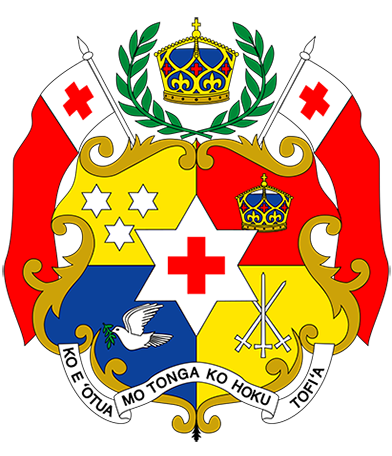
The Kingdom of Tonga is founded on the oldest written constitution in the Pacific still in force, and one of the oldest functioning constitutions in the world, promulgated by King George Tupou I (reigned 1845–1893). The Constitution unified the kingdom, established the rule of law, and created a system combining monarchy, nobility, and popular representation.
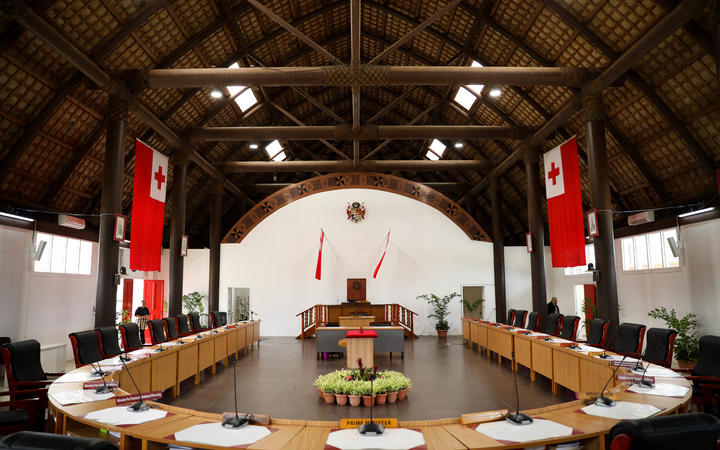
Parliament, formally known as the Legislative Assembly of Tonga, first met in 1875, evolving from earlier chiefly councils into the central legislative authority. Today, Tonga has a unicameral parliament, composed of representatives elected by the people and by the nobility, sitting together in a single chamber.
Structure of the Legislative Assembly of Tonga
The Tonga parliamentary system reflects a distinctive constitutional balance. The Legislative Assembly comprises 9 People’s Representatives elected by universal suffrage, together with 9 Nobles’ Representatives elected by their fellow hereditary nobles from among the Kingdom’s 33 nobles.
These members form a 26-member Assembly, with additional Ministers drawn from within or outside the Assembly as required. Both People’s and Nobles’ Representatives serve four-year terms, aligned with general elections.
Constitutional Reform in Tonga (2010)
Historically, executive authority rested largely with the monarch. However, significant constitutional reform took place under the leadership and direction of His late Majesty King George Tupou V (reigned 2006–2012). Between 2008 and 2010, he voluntarily relinquished most executive powers, leading to the 2010 democratic reforms. Under these reforms, the Prime Minister of Tonga is elected by Parliament and the Cabinet is accountable to it. The King formally appoints the Prime Minister and, on his advice, the Cabinet, reflecting the enduring constitutional role of the Crown.
Elections in Tonga
General elections in Tonga have been held since the late 19th century, though early electoral cycles were not always standardised. In the modern era, general elections have taken place in 2008, 2010, 2014, 2017, 2021 and 2025. The 2010 election marked the beginning of the fully reformed democratic system, with elected representatives forming the core of parliamentary authority.
Parliament Building and Renewal in Tonga
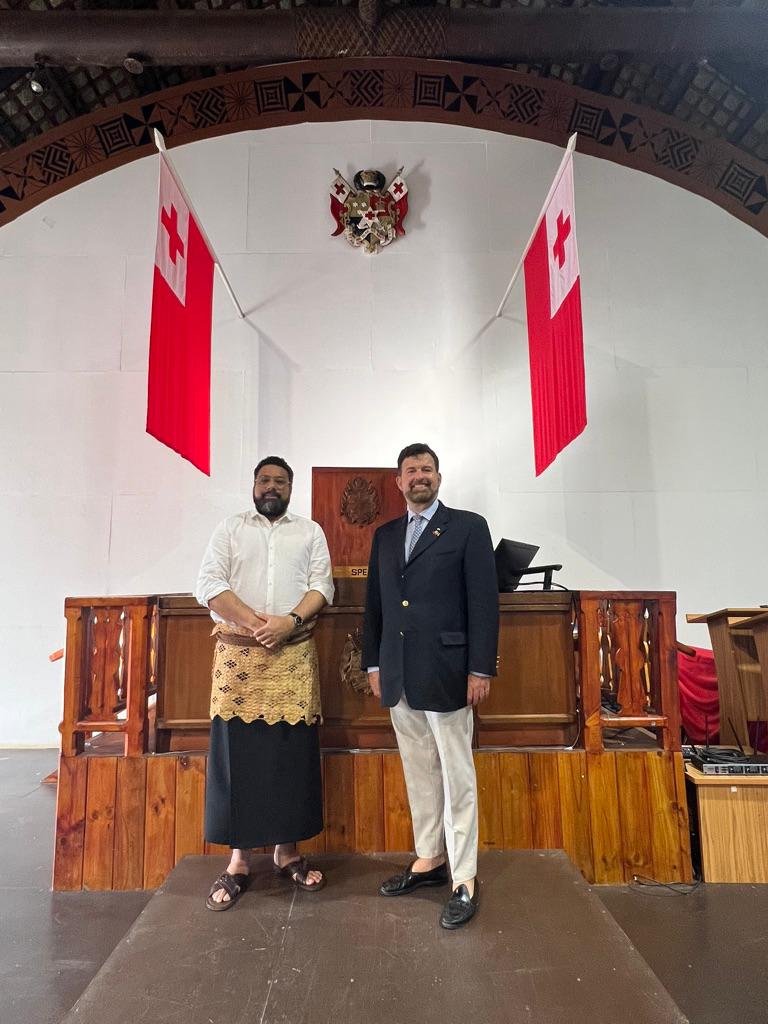
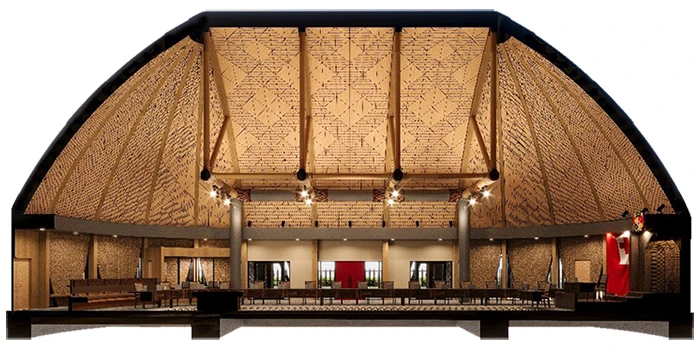
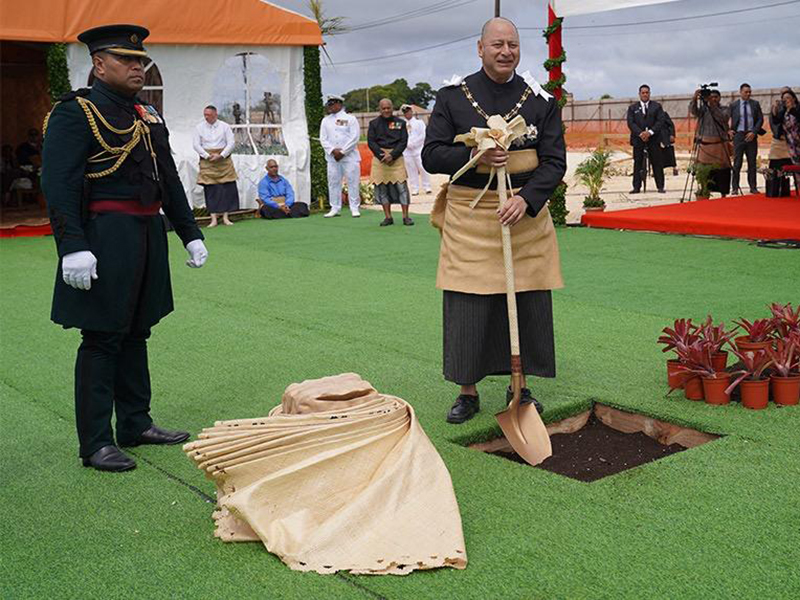
In recent years, Tonga’s parliamentary life has also been marked by renewal. The former Legislative Assembly building in Nukuʻalofa was destroyed following severe damage during Cyclone Gita in 2018, a powerful storm that caused widespread devastation across the capital. In 2025, marking the 150th anniversary of the 1875 Constitution, His Majesty King Tupou VI (reigning since 2012), together with the Speaker of the Legislative Assembly, Lord Fatafehi Fakafānua, presided over the ground-breaking ceremony for the new Parliament building at Talangaholo. The ceremony, attended by government leaders, nobles, church representatives, and members of the public, combined traditional and modern elements, including prayers, cultural observances, and formal addresses, symbolising both continuity and renewal in Tonga’s democratic life.
Speakers of the Legislative Assembly of Tonga
The office of Speaker of the Legislative Assembly of Tonga has existed since 1875, though comprehensive consolidated records of early office holders are limited. In the modern parliamentary era, Speakers have included Lord Vaea (1999–2002; 2025– ), Lord Halatuituia (2002–2005), Lord Tuʻivakanō (2005–2008; 2010–2014; 2017), Lord Lasike (2008–2010), and Lord Fatafehi Fakafānua (2014–2017; 2017–2025).
Prime Ministers of Tonga
Since the development of parliamentary government in Tonga, the Kingdom has been served by a continuous line of Prime Ministers (earlier styled Premiers), including Tēvita ʻUnga (1876–1879), Shirley Waldemar Baker (1880–1890), Siosateki Veikune (1890–1893; 1903–1905), Siosateki Tukuʻaho (1893–1903), Prince Viliami Tungi (1905–1912), Sione Tupou Mateialona (1912–1923), Tevita Tungī Mailefihi (1923–1941), Solomone Ula Ata (1941–1965), HRH Prince Fatafehi Tuʻipelehake (1965–1991), Baron Vaea (1991–2000), HRH Prince ʻUlukalala Lavaka Ata (2000–2006), now His Majesty King Tupou VI, Feleti Sevele (2006–2010), Lord Tuʻivakanō (2010–2014), ʻAkilisi Pōhiva (2014–2019), Semisi Sika (2019), Pohiva Tuʻiʻonetoa (2019–2021), Siaosi Sovaleni (2021–2025), ʻAisake Eke (2025), and Lord Fatafehi Fakafānua (2025– ).
International Membership of Tonga
Tonga remains unique in the Pacific as a state that was never colonised, and whose constitutional system is indigenous in origin.
Tonga is a member of the United Nations (since 1999), the Commonwealth of Nations (since 1970), the Pacific Islands Forum, the Pacific Community (SPC), the Pacific Islands Development Forum, the World Bank Group, the International Monetary Fund, and the Asian Development Bank.